About Sujata Goswami
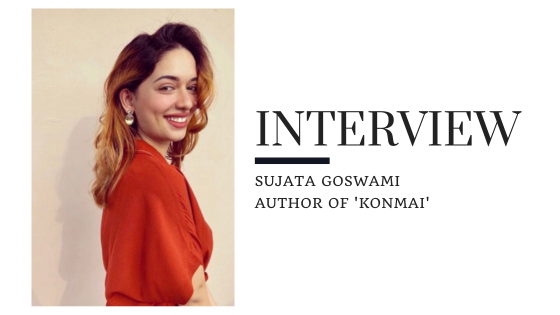
Sujata Goswami is an Indian author and storyteller whose work is deeply rooted in the rich cultural landscape of Assam and the lived histories of its people. Drawing inspiration from family legacies, forgotten histories, generational sagas, and the emotional complexities of love, loss, belonging, and forbidden desire, her writing explores the ways in which memory continues to shape lives across time. Her stories are often inhabited by resilient women, fractured families, and individuals navigating the delicate intersection of duty, longing, and identity.
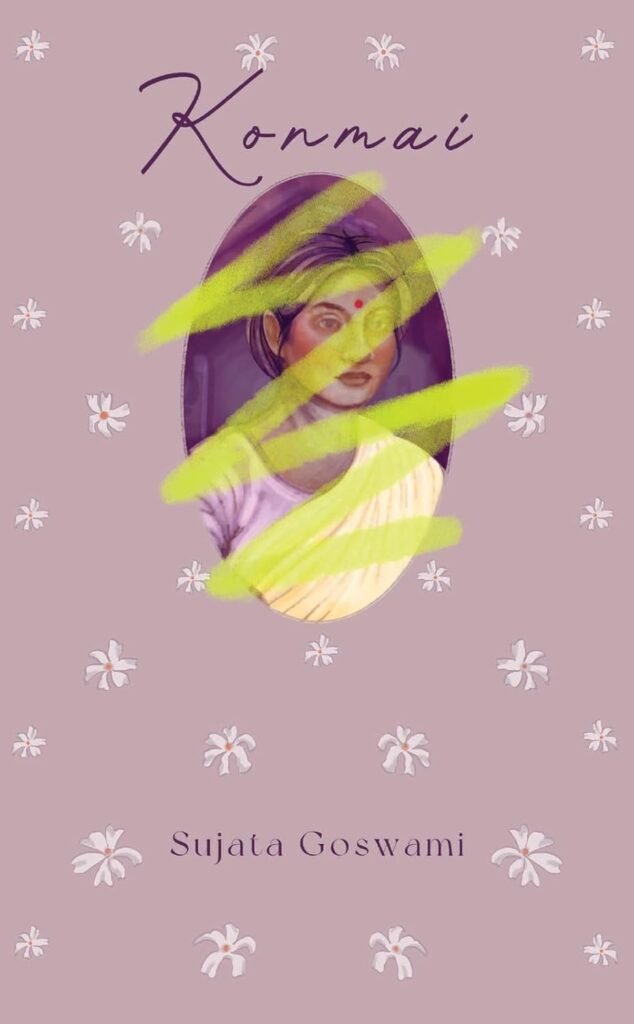
Sujata chose to leave behind a conventional career to pursue her lifelong devotion to literature and storytelling. Her debut novel, Konmai, is a poignant tribute to her beloved grandmother, Keshabprabha, and an exploration of the enduring impact of love, sacrifice, and emotional inheritance within a family. Through lyrical and reflective prose, she seeks to preserve stories that might otherwise be lost, honouring the quiet lives that shape generations.
At the heart of her work lies a belief that literature serves as both remembrance and revelation, a means of preserving cultural memory, illuminating human relationships, and giving voice to those whose stories often remain untold. Through her writing, Sujata hopes to create narratives that are intimate yet universal, rooted in place yet resonant across borders, inviting readers into a deeper understanding of love, loss, resilience, and the ties that bind us to one another.
LiFT: Tell us about your book, the journey of writing it, and its content.
Sujata Goswami: Konmai began long before it became a novel. It began in childhood, through fragments of stories overheard in hushed conversations, family recollections shared in whispers, and names that seemed to carry both love and sorrow. There were stories that were never fully told, only hinted at, stories that lingered in family memory long after the people themselves were gone.
As I grew older, these fragments remained with me. What began as curiosity gradually evolved into a desire to understand the lives that had come before mine. Writing Konmai became a deeply personal journey into my family history, my ancestry, and my roots in Assam. I found myself speaking to the few remaining elders who still carried these memories, gathering stories before they disappeared with time. In many ways, the novel became an act of remembrance, a way of preserving lives, emotions, and histories that might otherwise have been lost.
At its heart, Konmai is a literary family saga that explores love, forbidden love, loss, sacrifice, and the emotional inheritance passed down through generations. The novel follows Konmai, a young woman whose love for Mahidhar—her sister’s husband, sets in motion a chain of events that forever alters the course of a family. Their relationship, born in a society governed by duty and convention, becomes both an act of courage and the source of lasting heartbreak.
Following Konmai’s untimely death, the story traces the lives of her six children, each carrying a different inheritance of grief, resilience, longing, and survival. Through their journeys, the novel examines how families absorb the consequences of love, silence, and sacrifice across generations. At its core, Konmai asks how memory survives, how people continue living with the choices of those who came before them, and how love can both sustain and destroy.
Deeply influenced by the cultural landscape of Assam, the novel is also a tribute to the people, traditions, and histories that shaped me. The recurring image of the ancestral home serves as a symbol of both belonging and loss, a place where generations gather, fracture, and ultimately become memory.
More than anything, Konmai is a book about remembrance. It is dedicated to my beloved grandmother, Keshabprabha, whose life inspired its creation. Through this novel, I hoped to honour not only her memory, but also the countless lives that rarely find a place in recorded history yet continue to live on through stories, family, and love.
LiFT: Why did you choose this title?
Sujata Goswami: I chose the title Konmai because it carries both personal and cultural significance. In Assamese, Konmai is an affectionate nickname often given to women who are delicate, petite, gentle, and cherished. It is a word rooted in intimacy and familiarity, evoking the tenderness with which families often address the women they love.
As I wrote the novel, I realized that the title perfectly captured the essence of its protagonist. Konmai is perceived as delicate, yet beneath that fragility lies immense emotional depth, resilience, and the power to shape the lives of generations around her. The title reflects the contrast between how a woman may be seen by society and the profound influence she can have on the world she inhabits.
Beyond the character herself, Konmai came to symbolize a generation of women whose lives, sacrifices, loves, and struggles often remain undocumented, yet continue to echo through family memory. The novel is deeply concerned with remembrance, inheritance, and the stories that survive through oral histories and personal recollections.
Choosing Konmai as the title felt authentic not only to the character but also to the cultural landscape from which the story emerges. It is a distinctly Assamese word, carrying with it the warmth of home, family, and belonging. In many ways, the title became a tribute to the women who appear fragile in the eyes of the world but whose strength quietly sustains generations.
The title is also rooted in remembrance. Konmai is therefore not just the name of a character, it is the name of a memory, a legacy, and a world that the novel seeks to preserve.
LiFT: When did you realize that you wanted to be a writer, and what was your inspiration behind it?
Sujata Goswami: I do not think there was a single moment when I decided to become a writer. Rather, it was a gradual realization shaped by the stories, people, and landscapes that surrounded me while growing up in Assam. From an early age, I was fascinated by family histories, local folklore, old photographs, and the fragments of memory that survived through conversation. I found myself drawn not only to the stories people told, but also to the silences between them.
My inspiration comes from both people and place. Assam, with its rivers, tea gardens, villages, monsoons, forests, and diverse communities, has profoundly influenced the way I see the world. The ecological and cultural landscape of the region is deeply intertwined with its stories. Here, memory often lives in oral traditions, family anecdotes, seasonal rhythms, and the relationship people share with the land. I became increasingly aware of how personal histories, cultural identities, and landscapes shape one another across generations.
As I grew older, I felt a strong desire to preserve these stories, especially those at risk of being forgotten. Writing became a way of exploring my roots, understanding where I come from, and honouring the lives that shaped my own. It allowed me to connect family memory with larger questions of belonging, love, loss, migration, identity, and cultural inheritance.
My debut novel, Konmai, emerged from this impulse. It began with stories passed down through generations and evolved into an exploration of memory, family, and emotional legacy. More broadly, my work is inspired by the belief that stories help us understand not only who we are, but also our relationship with the people, histories, and landscapes that came before us.
Today, I write because I believe stories have the power to connect us across generations. Through literature, I hope to preserve memory, celebrate cultural roots, and keep alive the stories that time so often tries to erase.
LiFT: Where do you see yourself ten years down the line in the world of literature?
Sujata Goswami: Ten years from now, I hope to still be doing what I love most—writing. I envision building a meaningful body of work across both fiction and non-fiction, exploring themes of memory, culture, history, identity, and the intricate relationship between people and place. While literary fiction will always remain at the heart of my practice, I am equally drawn to non-fiction as a way of documenting lived experiences, cultural histories, and the evolving landscapes that shape our collective memory.
As the co-founder of a creative studio, I also hope to contribute to the growth and visibility of North-East India’s creative and literary ecosystem. I would like to see the stories, art, literature, and cultural narratives of the region reaching wider national and international platforms, creating meaningful opportunities for artists, writers, and storytellers from the North-East to be seen, heard, and celebrated.
I hope to meet and engage with writers, thinkers, and artists from across the world, learning from diverse literary traditions while sharing the stories of my own region. Ultimately, I aspire to build bridges, between generations, cultures, landscapes, and communities, through literature, storytelling, and creative collaboration.
More than anything, I hope to spend the next decade listening deeply, writing honestly, and helping create a world where stories from the margins find their rightful place at the centre of the conversation.
LiFT: How important do you think marketing and the quality of a book are in promoting it and increasing its readership?
Sujata Goswami: I believe both are equally important and work hand in hand. A well-written book is the foundation of everything, without a compelling story, meaningful content, and emotional resonance, it is difficult for a book to create a lasting impact on readers. Quality ensures that readers stay, recommend the book to others, and develop a genuine connection with the work.
At the same time, even the most exceptional book can struggle to find its audience without effective marketing. In today’s publishing landscape, visibility is crucial. Marketing helps a book reach readers who may otherwise never discover it, creating opportunities for engagement, discussion, and wider readership.
For me, marketing is not merely about selling a book, it is about connecting the right stories with the right readers. A strong book may open the door, but thoughtful marketing helps people find it. When quality and marketing come together, they create the best conditions for a book to grow organically, build a loyal readership, and have a lasting literary and cultural impact.
LiFT: What message do you want to convey to people through your writing?
Sujata Goswami: At its heart, my writing is an invitation to remember. I hope to remind readers that every life, no matter how ordinary it may seem, carries a story worth preserving. We often celebrate grand histories while overlooking the quiet lives that shape families, communities, and generations. Through my work, I hope to honour those forgotten memories, unspoken emotions, and human experiences that rarely find a place in recorded history.
I am particularly interested in exploring how love, loss, belonging, displacement, family, and memory continue to shape who we are. I hope to illuminate the rich cultural and ecological landscapes of the region while revealing the universal emotions that connect us all.
I want readers to pause, reflect, and immerse themselves in the emotional depth of a story. I want them to see beyond what is visible, to understand the silences within families, the weight of memory, the complexities of love, the ache of loss, and the invisible threads that connect generations.
Through my writing, I hope to encourage people to look more closely at the lives around them and the histories that shaped them. I want readers to recognize that every person carries a world within them, and that even the quietest lives contain extraordinary depth.
If my stories can make someone feel less alone, remember someone they had forgotten, appreciate where they come from, or see the beauty and fragility of human relationships with greater tenderness, then I believe the story has done its work.
Ultimately, I want my writing to leave readers with a deeper understanding of themselves, of others, and of the enduring power of memory, love, and belonging.
LiFT: What do you do apart from writing?
Sujata Goswami: Apart from writing, much of my life is devoted to creative expression and community-building. As the co-founder of a creative studio in Guwahati, I curate art experiences, cultural events, workshops, and creative gatherings that bring people together through storytelling and shared experiences.
I regularly host book clubs, storytelling circles, and literary conversations, creating spaces where people can engage with ideas, literature, and one another. I am also deeply interested in visual art and enjoy painting, curating exhibitions, and exploring the intersection of art, culture, and community.
Whether through writing, art, or creative programming, I am constantly drawn to projects that celebrate stories, foster connection, and encourage meaningful dialogue. For me, all these pursuits are interconnected—they are different ways of understanding people, preserving memory, and nurturing creativity.
LiFT: What activities do you resort to when you face writer’s block?
Sujata Goswami: When I face writer’s block, my first instinct is not to force the writing. I have learned that stories cannot be rushed, and sometimes the best thing I can do is step away from the page.
I usually immerse myself in my other creative pursuits, working at my creative studio, curating events, engaging with artists, or spending time in spaces that inspire me. But more than anything, my mother is my greatest source of comfort and grounding. Simply spending time with her, listening to her stories, sharing everyday moments, or being in her presence often helps me find my way back to myself and, eventually, back to my writing.
Music is another refuge. A song can unlock an emotion, a memory, or a feeling that I have been struggling to reach. Often, when I stop chasing the words and allow myself to live, listen, and observe, the story quietly returns on its own.
My mother often tells me one simple thing: “Trust the process.” Those three words have carried me through many moments of doubt, teaching me that stories arrive in their own time, and that creativity cannot be forced, only nurtured.
LiFT: What if your story were to be adapted into a movie? Who would you want to work as the director or actors in it?
Sujata Goswami: I ask myself that question too, and it is an interesting one. In many ways, I do see Konmai being adapted into a film someday. Perhaps that is because, while writing it, I often imagined the story unfolding visually, the landscapes, the ancestral home, the silences, and the emotional lives of its characters.
If I were fortunate enough to see it translated to the screen, I would love to work with directors such as Rima Das, Deepa Mehta, Mira Nair, or Gurinder Chadha. What draws me to their work is their ability to tell deeply human stories with tenderness and nuance, while giving powerful voice and visibility to women whose lives are often overlooked. I feel they understand memory, family, place, and the emotional complexity that lies beneath ordinary lives.
As for the cast, I greatly admire actors such as Konkona Sen Sharma, Seema Biswas, Shefali Shah, Tillotama Shome, and Adil Hussain. They possess a remarkable ability to inhabit characters with honesty, restraint, and emotional depth, qualities that I believe are essential to the world of Konmai.
More than anything, I would hope that an adaptation preserves the soul of the novel: its exploration of love, loss, memory, and the generations that continue to live within one another’s stories.
LiFT: Are you working on your next book? If so, could you tell us something about it?
Sujata Goswami: Yes, I am currently working on my next book, tentatively titled The Brahmaputra Daughters. It is a multi-generational literary novel that follows the lives of seven women across different periods of history, all connected by the Brahmaputra River, which serves as both witness and storyteller.
The novel spans more than a century and moves through the lives of a child widow in 1905, a freedom fighter in 1942, a refugee displaced during the events of 1971, a tea garden worker dreaming of another life, a woman accused of witchcraft in rural Assam, a corporate professional returning home after years away, and a young girl in the future watching the river slowly disappear. Though separated by time and circumstance, their stories are linked through memory, inheritance, resilience, and the river that carries their histories forward.
Deeply rooted in the cultural, ecological, and historical landscape of Assam, the novel blends history, folklore, and contemporary realities to explore womanhood, migration, belonging, loss, and survival. At its heart, The Brahmaputra Daughters is both a portrait of Assam and a meditation on how ordinary women shape history, even when history fails to remember them.
LiFT: What are your suggestions for budding writers and poets to help them improve their writing skills?
Sujata Goswami: My biggest suggestion to aspiring writers is to be patient. As my mother often reminds me, “Trust the process.” Writing is rarely linear, and every writer moves at their own pace. Some stories arrive quickly, while others take years to reveal themselves.
I am also a firm believer in the power of imagination and curiosity. If an idea comes to you, write it down exactly as it arrives. Don’t worry about whether it is polished, elegant, or perfect. Refinement can come later. The important thing is to begin, to build the story, discover your characters, and understand the world they inhabit. Allow yourself to become immersed in it.
For me, writing has always been an emotional experience. While writing Konmai, there were moments when I felt as though I was living alongside the characters. I remember listening to Clint Mansell’s Stay With Me while writing some of the novel’s final chapters. There were days when I found myself in tears as I wrote, carrying the weight of the story and the lives within it.
That is perhaps the greatest reward of writing, not publication or recognition, but knowing that a story has made someone feel something. When a reader told me they cried at the end of Konmai, and that the story stayed with them long after they finished it, I feel that all those hours of writing, questioning, and revising were worth it.
Ultimately, I believe good writing comes from feeling deeply, observing carefully, and trusting yourself enough to follow a story wherever it wants to go. The rest can always be revised. The emotion cannot be manufactured, it has to be lived.
Click here to order Sujata Goswami’s Book – Konmai