About Anisha Maria Rodrigues
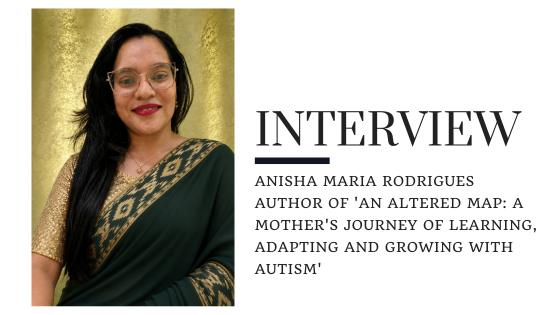
Anisha Maria Rodrigues holds an M.Sc. in Human Development from Mumbai University and graduated as a gold medalist with a B.Sc. in Home Science. A dedicated advocate for community and inclusion, she is a member of the Inner Wheel club, holds a diploma in Indian Sign Language, and earned a distance education certificate in Living Values Education. She is also a co-author of the book Thoughts Between the Breaths, Author of The Altered Map A Mother’s Journey of Learning Adapting and Growing with Autism, a memoir to spread awareness on neurodiversity and regularly shares her poetry across her social media platforms. She brings twelve years of experience as an early childhood educator, pre-school supervisor, and nationwide teacher trainer, alongside several years of coaching home-schooling students. Her academic background includes serving as a visiting lecturer across three higher education institutes, notably an International Montessori Teacher Training Institute. Grounded in service and creative entrepreneurship, she is the founder of Pequena Princesa, a small business of handmade items. Her professional expertise and personal heart meet in her dedication to guiding families of neurodivergent children. Above all, she is the proud mother of eleven-year-old Nasya, who is on the Autism spectrum. Today, Anisha proudly supports Nasya in running her very own small business, proving that growth has no boundaries.
LiFT: Tell us about your book, the journey of writing it, and its content.
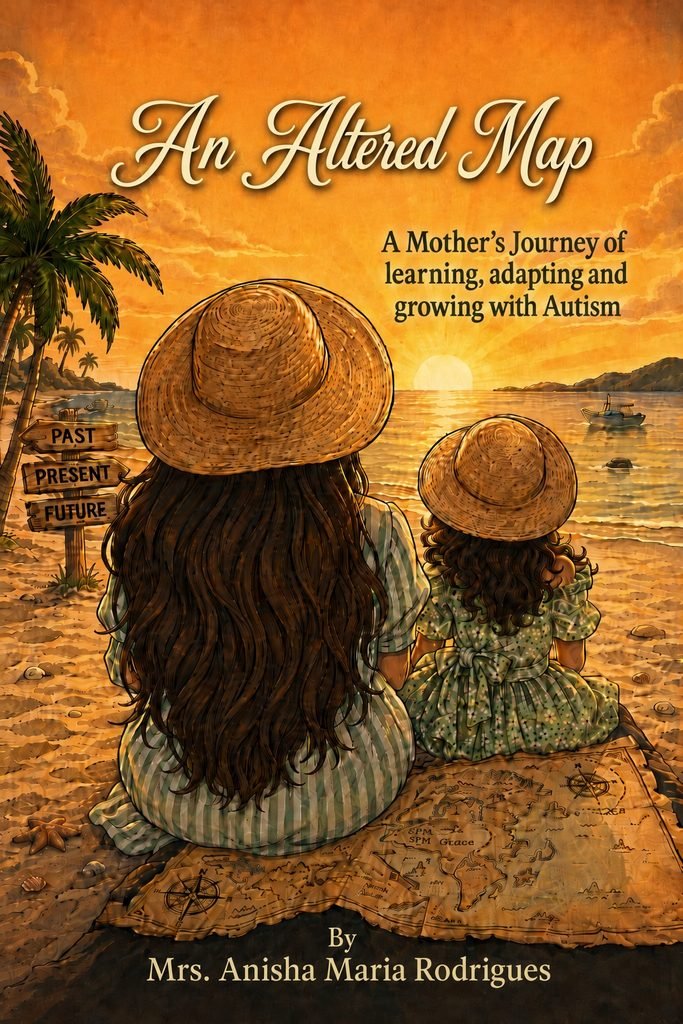
Anisha Maria Rodrigues: My book is a deeply personal memoir that traces our family’s journey after my daughter, Nasya, received an Autism diagnosis. It is not a sad story, nor is it a manual on how to change a child; rather, it’s a story about learning to live by the rhythm of love instead of societal expectations.
The book is divided into seven parts. It takes the reader through the early anxieties of pregnancy, the overwhelming day of diagnosis, and our painful battle with a rigid school system that ultimately forced us to pivot to homeschooling to build a ‘sanctuary of trust.’ It closes with a triumphant return to a supportive environment, navigating adolescence, and three open letters of advocacy to parents, society, and neurodivergent children.
Writing it was a profound process of healing for me. What started as a way to process our isolation and worry evolved into a narrative of quiet strength and forgiveness. Ultimately, I wrote this to be a gentle light for other parents running this long marathon, to help educators team up with families, and to invite society to swap rigid expectations for patience.
LiFT: Why did you choose this title?
Anisha Maria Rodrigues: I chose the title because it perfectly captures the shift our family had to make from following a path laid out by society to creating a path dictated by our own hearts.
When my daughter Nasya was diagnosed with Autism, it felt as though our map had been completely rearranged. Society, and even the rigid school system we were in, had specific timelines and definitions for success. But those expectations were breaking my daughter’s spirit. Taking the ‘road less travelled’ and stepping away from the system to homeschool and build a ‘sanctuary of trust’. It was our choice to throw away the conventional map.
The title reflects the beautiful realization that when you stop trying to force a neurodivergent child to fit the rhythm of the world, you finally learn to live by the rhythm of love. It marks our transition from a place of anxiety and isolation into a place of quiet strength, peace, and advocacy.
LiFT: When did you realize that you wanted to be a writer, and what was your inspiration behind it?
Anisha Maria Rodrigues: I have been a bookworm for as long as I can remember, thanks to my mother, who constantly brought books home for me. Back then, I didn’t necessarily dream of becoming an author, though I was very drawn to journalism because I loved the power of storytelling.
Writing truly became a part of my soul when I was twelve or thirteen, after I tragically lost my dad. It became a peaceful sanctuary for me. I kept a special notebook where I would pour out my emotions into poetry. I discovered I had a natural talent for it and even won prizes for my poems, but back then, it was just my private way of processing grief.
The actual turning point that transformed me from a person who writes into a published author was my daughter’s diagnosis. I realized I could use this lifelong talent to serve a greater purpose. I chose to step into authorship to spread essential awareness about neurodiversity, and to highlight the profound importance of self-growth and learning. I knew that writing was the most powerful way I could express our truth, reach people’s hearts, and offer comfort to other families walking a similar path.
LiFT: Where do you see yourself ten years down the line in the world of literature?
Anisha Maria Rodrigues: To be completely honest, raising a child on the spectrum teaches you to live one day at a time, or even five minutes at a time. It isn’t always easy to plan a decade ahead when you don’t know what the next few moments will bring. Because of that, my deepest hope is to simply look back and feel entirely content with the journey we have lived.
But if I dare to look ten years into the future, I want to be in a space where my writing has successfully built a bridge of awareness and understanding between neurodivergent families and society. Personally, my greatest dream is to see my daughter completely independent, growing with the strong values needed to step up and help other children just like her.
In the literary world, I see myself expanding my horizons. I don’t want to limit myself to one genre; I want to publish poetry, novels, and journals that touch on different aspects of the human experience. Ultimately, I want my body of work to stand as a testament to resilience, showing that you can build a beautiful, impactful life even when you have to throw away the conventional map.
LiFT: How important do you think marketing and the quality of a book are in promoting it and increasing its readership?
Anisha Maria Rodrigues: I believe they are two sides of the same coin, and you cannot have sustainable success without both. The quality of the book is the foundation—it is what keeps the reader engaged, drives word-of-mouth recommendations, and ultimately builds trust. For a deeply personal memoir like mine, high quality means absolute authenticity, emotional resonance, and a clear message of advocacy.
However, no matter how life-changing a book’s message is, it cannot impact lives if it remains undiscovered. That is where marketing comes in. Marketing is the bridge. It isn’t just about selling a product; it’s about making a connection and ensuring the book reaches the specific parents, educators, and communities who are actively searching for comfort and guidance.
In short, quality gives a book its heart and longevity, but marketing gives it its visibility. To truly increase readership and make a lasting impact, you need the right balance of both.
LiFT: What message do you want to convey to people through your writing?
Anisha Maria Rodrigues: The most important message I want to convey is that a life completely rearranged by a diagnosis can still turn out to be incredibly beautiful. I want people to know that you can step away from a conventional path, take the road less travelled, and find true peace.
Specifically, I have a message for three different groups:
• To parents running this long marathon: I want you to look at our altered map and feel a little lighter, knowing that you are truly not alone.
• To educators and schools: I want to show a parent’s perspective so we can best team up, break down rigid systems, and build a sanctuary of trust for our children.
• To society as a whole: I want to invite people to swap rigid expectations for patience, and to offer quiet support rather than extra pressure.
Ultimately, I want my writing to build a bridge of awareness. I want to show that we don’t need to change neurodivergent children who are already whole; instead, we need to learn to live by the rhythm of love rather than social expectations.
LiFT: What do you do apart from writing?
Anisha Maria Rodrigues: Since you already have my professional background in my bio, I’ll share what fills my daily life and my heart.
Apart from writing, I am a creative entrepreneur. I run my own small business, Pequena Princesa, where I make handmade items like hair accessories, crochet, and leatherwork. Most proudly, I also help my twelve-year-old daughter, Nasya, run her very own small business, showing that growth has no boundaries.
I stay heavily involved in education and advocacy by conducting workshops and sessions, visiting various schools and colleges as a resource person to share my expertise. Community service is also a huge part of my life—as a member of the Inner Wheel club, I love dedicating my time to meaningful projects of service and fellowship.
LiFT: What activities do you resort to when you face writer’s block?
Anisha Maria Rodrigues: When I face writer’s block, I step away from the pressure of the page and turn to simple things that ground me, calm me, and energise my soul. My primary anchor is prayer; I love to sit quietly and pray my Rosary.
I also channel my creative energy into working with my hands, doing crochet and making the little handmade items for my business that bring me a deep sense of peace. When I need a change of pace, I go for a walk or simply sit by the beach with my daughter, Nasya.
Reconnecting with my faith, engaging in gentle, tactile crafts, and spending quiet time in nature with my daughter are the exact remedies that clear my mind. Once I feel calm and restored, the inspiration always finds its way back.
LiFT: What if your story were to be adapted into a movie? Who would you want to work as the director or actors in it?
Anisha Maria Rodrigues: Even though The Altered Map is a memoir rather than a novel, I absolutely believe it has the visual and emotional depth to be adapted into a film. However, because it is a true story about Autism, my approach to an adaptation would be very specific.
Autism is a vast spectrum, and it is incredibly difficult to capture the entirety of that experience and put it into a single ‘bowl.’ While I have seen some movies and series do a fabulous job representing it, others have missed the mark. If my book were ever adapted, my absolute priority wouldn’t be big Hollywood or Bollywood names—it would be casting actors and working with a director who are genuinely, deeply invested in neurodiversity.
I would love to see a director who values raw, authentic storytelling over melodrama. More importantly, I would want neurodivergent individuals involved both in front of and behind the camera to ensure the portrayal is lived and true. For me, the ultimate goal of a film adaptation wouldn’t just be entertainment; it would be to extend the book’s mission of building a genuine bridge of awareness and understanding between our families and society.
LiFT: Are you working on your next book? If so, could you tell us something about it?
Anisha Maria Rodrigues: Yes, I am actively writing! I recently finished working on a co-authored anthology called Stories That Mould You, which is already out. Now, my current focus is on a new solo project specifically designed for educators.
Drawing from my twelve years of experience as an early childhood educator and teacher trainer, this upcoming book is envisioned as a practical helping guide. It focuses heavily on self-learning, personal growth, and professional development. My goal is to equip educators with the tools they need to evolve in their practice, helping them look inward so they can better support the diverse needs of the children in their classrooms.
It is very much an extension of my life’s mission, continuing to build those vital bridges between teaching, understanding, and neurodiversity.
LiFT: What are your suggestions for budding writers and poets to help them improve their writing skills?
Anisha Maria Rodrigues: As someone who is still growing and learning on this path myself, the best advice I can give budding writers and poets is to write for your own soul first. Don’t write to chase expectations or to fit into a specific box; write because it is the truest way you can express yourself and touch the hearts of others.
When you feel stuck or overwhelmed, step away from the pressure of the blank page. Find simple, peaceful rituals that ground you. Whether that is quiet reflection, doing something creative with your hands, or spending time in nature. Inspiration often returns naturally when you allow your mind to rest.
Finally, draw from your real life and your unique voice. True quality comes from absolute authenticity. Whether you are writing a piece of poetry to process your own feelings or a book to spread awareness for a larger cause, let your heart lead the way. Your words have the power to build bridges and help people, as long as they come from a place of truth.
Click here to order Anisha Maria Rodrigues’s Book – An Altered Map