About Dr. P. Sasikala
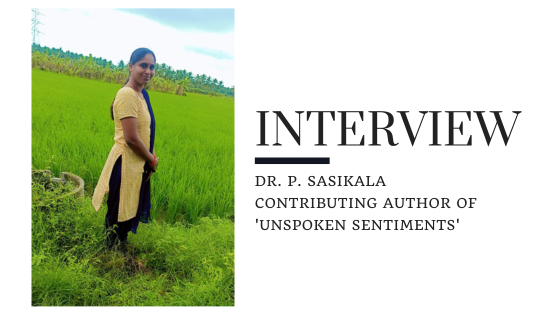
Dr. P. Sasikala is an Assistant Professor and Head of the Department of English at Sakthi College of Arts and Science for Women, Oddanchatram. A dedicated scholar, she frequently contributes to national and international academic dialogue. A devoted reader, a gentle seeker, and truly a daughter of the soil, she draws strength from her farming roots. For her, life is not just in pages and lectures, but in organic living, in rural resilience, and in the art of mindful simplicity. She is also a curious traveler at heart, drawn to new places, new stories, and the quiet wisdom that every journey brings. She finds peace in silence, wisdom in books, wonder in travel, and warmth in the company of pets and kindred spirits.
Her guiding Principle: Live and Let Live.
LiFT: Tell us about the theme of the anthology and how did you get to know about it?
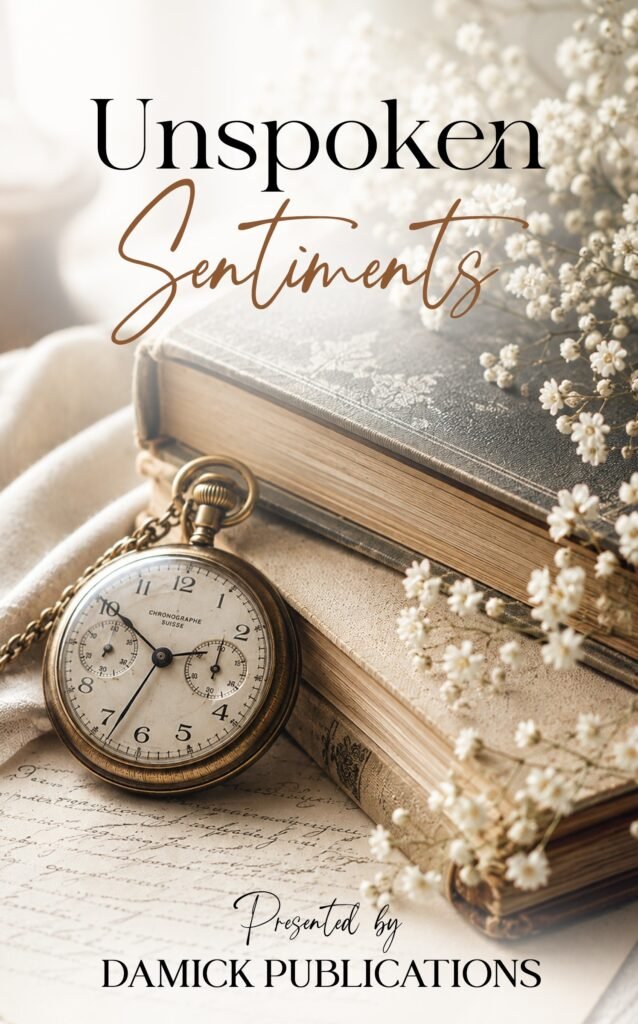
Dr. P. Sasikala: The theme centers on giving voice to the silent emotions, veiled thoughts, and quiet realizations that often remain unexpressed beneath the surface of daily life. I learned about the call for submissions for “Unspoken Sentiments” through LiFT Magazine’s open contest invitation for poets and writers.
LiFT: What inspired you to write for this particular anthology?
Dr. P. Sasikala: The theme of ‘Unspoken Sentiments’ deeply resonated with my own philosophy as a writer and a seeker. I believe the most profound truths aren’t shouted; they are felt in silence—on a quiet road, under open skies, or through the peace nature offers us. My poem was inspired by the unspoken yearning for inner rest and how travel becomes a sanctuary for the soul. Having published with Damic Publication over the last seven years, contributing my 20th anthology piece to a collection focused on these delicate, silent emotions felt completely right.
LiFT: Where do you see yourself ten years down the line in the world of literature?
Dr. P. Sasikala: Ten years down the line, I see myself having built a rich, deeply meaningful body of work that bridges academic scholarship with creative, soul-stirring literature. Having already marked my 20th anthology after seven years with Damic Publication, my goal is to transition toward publishing standalone poetry collections, essays on mindful living, and works centered around rural resilience and nature. More than numbers or accolades, I hope my writing continues to serve as a quiet sanctuary for readers—a space where academics, seekers, and lovers of nature can find stillness, comfort, and connection. I want my literary footprint to be gentle yet enduring—a legacy of words that reminds readers to slow down, breathe, and live by the principle of Live and Let Live.
LiFT: What do you do apart from writing?
Dr. P. Sasikala: When I’m not putting pen to paper, I wear a few different hats! I interact with students and scholar communities. Coming from a farming background, I am passionately involved in advocating for organic practices and rural resilience. I also love traveling to new places, spending quiet moments in nature, enjoying the company of my pets, and practicing mindful living. Silence and books are my greatest ways to recharge.
LiFT: Are you working on your own book? If yes, please tell us something about it.
Dr. P. Sasikala: Yes, I am currently drafting a standalone book that weaves together poetry, nature, and reflections on mindful living. Building on my seven years of writing and 20 anthology publications, this book dives deeper into the quiet strength of rural life, the healing power of travel, and finding peace in silence.
LiFT: What are your suggestions to the budding writers/poets so that they could improve their writing skills?
Dr. P. Sasikala: To all aspiring poets and writers: Read deeply, observe silently, and write courageously. Do not wait for extraordinary moments—find extraordinary meaning in everyday life, in nature, and in quiet realizations. Trust your authentic voice, be patient with the revision process, and remember that every piece of writing brings you one step closer to mastering your craft.
Click here to order the book ‘Unspoken Sentiments’